Introduction
In an era where technology and medicine continuously evolve, the importance of learning from past errors has never been more vital. "Learning from Mistakes: Case Studies in Medical Injury" delves into the lessons that can be gleaned from unfortunate incidents in healthcare. Whether it’s a misdiagnosis, surgical error, or medication oversight, these mishaps often lead to significant repercussions for patients and healthcare providers alike.
Understanding Medical Errors
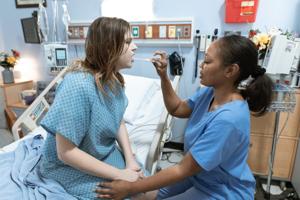
Medical errors are not just abstract concepts; they are real events that affect real lives. In fact, according to studies by the Institute of Medicine, medical errors are among the leading causes of death in the United States. This staggering statistic emphasizes the need for ongoing education and awareness among healthcare professionals.
The Importance of Case Studies
Case studies provide invaluable insights into specific instances of medical error. They allow us to dissect what went wrong and explore how similar mistakes can be avoided in the future. By analyzing these cases, healthcare practitioners can develop better protocols and improve patient safety measures.
Key Takeaways:
- Medical errors have far-reaching consequences. Learning through case studies helps prevent future incidents. Continuous education is essential for healthcare providers.
Learning from Mistakes: Case Studies in Medical Injury
In this section, we’ll explore various case studies that highlight significant medical injuries resulting from errors. Each case presents a unique set of circumstances and outcomes that can inform current practices.
Case Study 1: The Misdiagnosis Dilemma
Misdiagnosis can lead to severe complications for patients. One notable instance involved a 35-year-old woman who was wrongly diagnosed with anxiety instead of a heart condition. Her symptoms were dismissed as stress-related, ultimately leading to cardiac arrest.
What Went Wrong?
- Failure to conduct thorough examinations. Overlooking patient history. Dismissing symptoms due to age bias.
Lessons Learned
This case underscores the necessity for comprehensive evaluations and consideration of all possible diagnoses regardless of a patient's demographic profile.
Case Study 2: Surgical Errors - The Wrong Site Surgery
One infamous story involves a patient who underwent surgery on the incorrect limb due to miscommunication among surgical staff. This incident highlights critical flaws in pre-operative protocols.
Factors Contributing to Error:
- Lack of standardized verification processes. Poor communication between team members.
Implications for Practice
Instituting rigorous checklists before procedures can significantly mitigate such risks. The “time-out” procedure before surgery is one such measure that has gained prominence.
Case Study 3: Medication Overdose Mishap
A pediatric patient received a tenfold overdose of medication due to a decimal error in prescription writing. This harrowing event led to significant health complications and highlighted systemic flaws in medication administration practices.
Root Causes Identified:
- Poorly designed electronic health records (EHR) systems. Inadequate training on medication dispensing systems.
Preventive Strategies
Enhancing EHR usability and implementing double-check systems can minimize medication errors significantly.
The Role of Technology in Preventing Medical Errors
Technological advancements play an essential role in reducing medical injuries. From Electronic Health Records (EHR) systems to Artificial Intelligence (AI) diagnostics, these tools aim to enhance accuracy and streamline healthcare processes.

EHR Systems: A Double-Edged Sword?
https://postheaven.net/tronenuxbr/top-10-common-types-of-medical-malpractice-in-the-erWhile EHR systems aim to improve efficiency, they also introduce new challenges:
Pros:
- Centralized patient data access Improved communication between departments
Cons:
- Risk of data entry errors User fatigue leading to oversight
Artificial Intelligence in Diagnostics
AI holds promise for improving diagnostic accuracy by analyzing vast datasets much faster than human clinicians. However, ethical concerns arise regarding reliance on algorithms over human judgment.
Training Healthcare Professionals: A Pathway Forward?
Continuous education is crucial for minimizing medical errors. Regular training sessions focusing on updated procedures and technologies keep professionals informed about best practices.
Simulation-Based Learning
Simulation-based training allows practitioners to experience high-stress scenarios without risking patient safety. These simulations can range from mock surgeries to crisis management drills.
Collaborative Practices Among Healthcare Teams
Interdisciplinary teamwork is vital for ensuring comprehensive patient care and reducing errors caused by miscommunication or oversight during treatment phases.
Teamwork Training Programs
Investing time into team-building exercises fosters trust among team members which translates into improved communication when it matters most—during patient care scenarios.
FAQs About Learning from Mistakes in Medical Injury
What are common types of medical errors?- Common types include misdiagnosis, surgical mistakes, medication overdoses, and failure to monitor patients adequately.
- Implementing standardized protocols, investing in training staff regularly, and utilizing technology effectively are key strategies.
- While many can be prevented through rigorous protocols and checks, some may occur due to unforeseen circumstances or human error.
- Engaged patients who ask questions about their care plans contribute significantly towards preventing misunderstandings or oversights by their doctors.
- Effective communication is critical; it ensures all team members are aligned on treatment plans and aware of any changes or new information regarding patient care.
- No technology cannot entirely replace human judgment; however, it serves as an invaluable tool when used alongside clinician expertise.
Conclusion
"Learning from Mistakes: Case Studies in Medical Injury" reinforces the idea that while mistakes will inevitably occur within any system—especially one as complex as healthcare—the lessons derived from these experiences pave the way for better practices moving forward. By embracing transparency around failures rather than shying away from them, we create environments where learning flourishes alongside healing—ultimately benefiting everyone involved—from practitioners striving for excellence to patients seeking compassionate care.

This article aims at providing readers with an informative yet engaging exploration into how learning from historical mistakes within medical contexts not only educates but also inspires growth across healthcare sectors worldwide!